

Proper storage of aviation cargo nets is critical to maintaining their integrity and functionality. As a supplier of aviation cargo nets, we understand that correct storage helps ensure these nets can perform their intended role safely and effectively.
In this post, we discuss the key storage requirements for aviation cargo nets and share practical tips for proper storage.
Understanding the Importance of Proper Storage
Aviation cargo nets endure significant stress and wear during normal use. They are designed to secure cargo inside an aircraft, requiring strength, durability, and reliability. Improper storage can lead to material degradation and reduced performance.
For example, exposure to unfavorable environmental conditions-such as extreme temperatures, humidity, or prolonged sunlight-may weaken the net material or cause it to become brittle. Physical damage like cuts, tears, or abrasions can also occur if nets are stored carelessly.
Therefore, proper storage is essential to preserve the quality and service life of aviation cargo nets.
Recommended Storage Conditions
Temperature and Humidity
Aviation cargo nets should ideally be stored in a cool, dry location. Avoiding extreme temperatures helps prevent unnecessary expansion or contraction of the material. Similarly, excessive moisture in the air may lead to mold or mildew growth. It is best to keep the storage area reasonably dry and well away from sources of heat or dampness.
Sunlight and UV Exposure
Direct sunlight and ultraviolet (UV) radiation can gradually weaken or discolor net materials. For this reason, aviation cargo nets should be stored in a place protected from direct sunlight. If temporary outdoor storage is unavoidable, covering the nets with a light-resistant protective sheet or placing them in a shaded area is recommended.
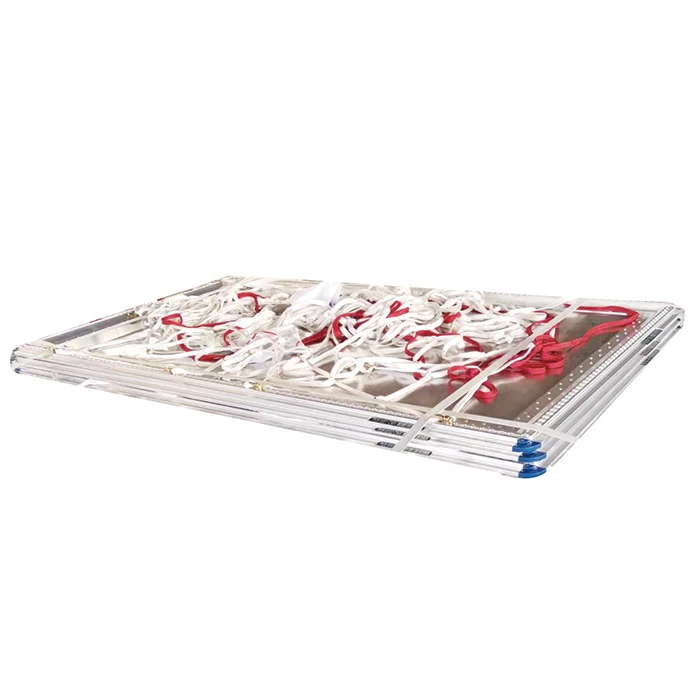

Ventilation
Good ventilation helps prevent moisture buildup and stagnant air in the storage space. A well-ventilated area allows air to circulate freely, which helps keep the nets dry and reduces the risk of mildew or unpleasant odors.
Suitable Storage Methods
Folding and Stacking
When storing aviation cargo nets, proper folding helps avoid unnecessary creasing or stress. The nets should be folded neatly and stacked in a manner that minimizes pressure on any single point. Avoid overly tight folding or stacking too high, as this may compress the material and cause damage over time.
Hanging
Hanging is another practical storage option. It helps prevent creasing and allows air to circulate around the net. When hanging, always use a sturdy hook or hanger capable of supporting the net's weight. Avoid hanging nets in direct sunlight or in areas prone to moisture.
Storage Containers
Using containers can protect nets from dust, dirt, and physical damage. Choose containers made of durable materials with secure-fitting lids. Clearly label each container to indicate the type and size of nets stored inside for easy identification.
Inspection and Maintenance
Regular inspection is key to ensuring aviation cargo nets remain in good condition. Before storing nets, check them for any signs of damage-such as cuts, tears, or abrasions. If any damage is found, repairs or replacement should be considered prior to storage.
Even while in storage, periodic checks are advisable to detect any early signs of degradation or unexpected damage.
Conclusion
Proper storage of aviation cargo nets helps maintain their integrity and readiness for use. By following the general requirements and tips outlined above, you can help ensure that your aviation cargo nets remain safe and functional for future operations.
If you have any questions regarding storage or need further information, please feel free to contact us for a consultation.