

PKC Air Cargo Pallets are essential components in the aviation logistics industry, providing a reliable and efficient means of transporting goods across the globe. As a leading supplier of PKC Air Cargo Pallets, I am often asked about the materials used in their construction. In this blog, I will delve into the various materials that go into making these pallets, highlighting their properties and benefits.
Wood
Wood has been a traditional material for manufacturing air cargo pallets due to its availability, affordability, and ease of processing. The most common types of wood used are hardwoods such as oak, maple, and birch, which offer high strength and durability. These woods can withstand the heavy loads typically placed on air cargo pallets and are resistant to wear and tear.
One of the key advantages of wooden pallets is their natural shock - absorbing ability. This helps protect the cargo from damage during handling and transportation. Additionally, wood is a renewable resource, which makes it an environmentally friendly option. However, wooden pallets also have some drawbacks. They can be heavy, which increases the overall weight of the cargo and may lead to higher fuel consumption. Moreover, wood is susceptible to pests and moisture, which can cause decay and structural damage. To mitigate these issues, wooden pallets are often treated with chemicals to prevent insect infestation and rot.
Aluminum
Aluminum is another popular material for PKC Air Cargo Pallets. It is known for its lightweight yet strong properties. Compared to wood, aluminum pallets can significantly reduce the weight of the cargo, leading to fuel savings and lower transportation costs.
Aluminum is highly corrosion - resistant, making it suitable for use in various environmental conditions, including high - humidity areas. It also has excellent thermal conductivity, which can be beneficial for transporting temperature - sensitive goods. Additionally, aluminum pallets are easy to clean and maintain, and they have a long service life.

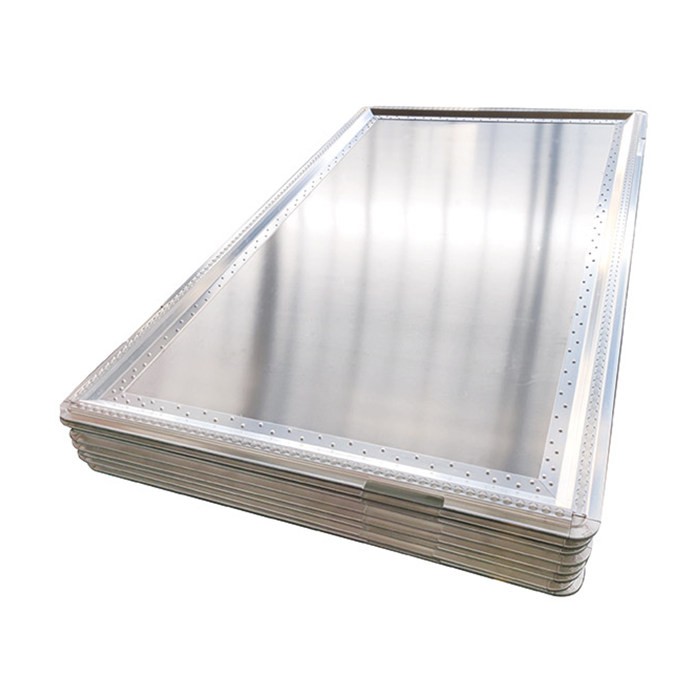
However, the initial cost of aluminum pallets is generally higher than that of wooden pallets. This may deter some customers, especially those on a tight budget. But considering their long - term benefits, such as reduced fuel costs and lower maintenance requirements, aluminum pallets can prove to be a cost - effective investment in the long run.
Composite Materials
Composite materials have emerged as a modern alternative for manufacturing air cargo pallets. These materials are typically made by combining different substances, such as fiberglass, carbon fiber, and resin, to create a material with specific properties.
Composite pallets are extremely lightweight, which can lead to significant savings in shipping costs. They are also very strong and rigid, capable of supporting heavy loads without deforming. Unlike wood, composite materials are not affected by pests or moisture, and they do not require chemical treatments.
In addition, composite materials can be designed to have specific mechanical properties, such as high impact resistance and low friction. This makes them ideal for use in the aviation industry, where safety and efficiency are of utmost importance. However, the production process of composite pallets is more complex and expensive, which can result in higher prices for customers.
Plastic
Plastic pallets are becoming increasingly popular in the air cargo industry. They offer several advantages, including being lightweight, durable, and easy to clean. Plastic pallets are resistant to moisture, chemicals, and pests, which makes them suitable for a wide range of applications.
They can be molded into various shapes and sizes, allowing for customization to meet specific customer requirements. Plastic pallets are also recyclable, which is an important consideration in today's environmentally conscious world. However, plastic pallets may not be as strong as wooden or aluminum pallets, and they can be more prone to damage from extreme temperatures and heavy impacts.
Comparison of Materials
When choosing the material for PKC Air Cargo Pallets, several factors need to be considered, including cost, weight, strength, durability, and environmental impact.
Wooden pallets are a cost - effective option for short - term use or for customers with limited budgets. They are suitable for transporting non - sensitive goods in relatively dry environments. Aluminum pallets are ideal for customers looking to reduce weight and fuel costs. They are also a good choice for long - term use due to their corrosion resistance and long service life.
Composite pallets offer the best combination of strength, lightweight, and durability. They are suitable for high - value and sensitive cargo, but their high cost may limit their widespread use. Plastic pallets are a versatile option, offering good performance at a reasonable price. They are suitable for a variety of applications, especially in industries where hygiene is a concern.
Our Product Range
As a PKC Air Cargo Pallet supplier, we offer a wide range of pallets made from different materials to meet the diverse needs of our customers. Our product range includes PLA Air Cargo Pallet, PMC Aviation Aircraft Pallet, PRA Pallet, Airline Cargo Pallets, and PMC Air Freight Pallet.
We understand that each customer has unique requirements, and we are committed to providing high - quality pallets that meet or exceed these expectations. Whether you need a lightweight pallet for fuel - efficient transportation or a heavy - duty pallet for transporting large and heavy cargo, we have the solution for you.
Contact Us for Procurement
If you are in the market for PKC Air Cargo Pallets, we encourage you to contact us. Our team of experts is ready to assist you in selecting the right material and pallet design for your specific needs. We offer competitive prices, excellent customer service, and fast delivery times. Let us help you find the perfect air cargo pallets for your business.